If you have any questions, please feel free to contact us.| Email Us: info@dcheatpress.com


Views: 222 Author: Amanda Publish Time: 2025-12-30 Origin: Site


Content Menu
● How to choose the best heat press machine
● Best budget heat press machine
● Best heat press machine for crafting at home
● Best heat press machine for small business (low daily volume)
● Best heat press machine for small business (moderate daily volume)
● Best heat press machine for high-volume production
● Best heat press machine for white toner laser transfers
● Best cap heat press machines for hats and caps
● Best mug heat press machines for drinkware
● Best multi-function heat press machines
● Overview table: best heat press machines by use case
● Expert tips for choosing and using your heat press
● FAQ about the best heat press machines
>> 1. What is the best heat press machine size for a T-shirt business?
>> 2. Is an auto-open heat press worth the extra cost?
>> 3. What is the best heat press machine for beginners?
>> 4. Do I need separate presses for caps and mugs?
>> 5. What is the best type of heat press for white toner laser transfers?
Heat press machines are no longer “one size fits all” tools; choosing the right heat press by budget, volume, and application directly affects print quality, operator safety, and long-term profitability. This guide explains the best heat press machines in 2026 for beginners, small businesses, high-volume shops, and specialized uses like caps and mugs, while giving a clear framework to pick the best heat press for different needs.[1]

Before looking at specific models, it is important to understand what actually makes a heat press “the best” in a given situation. Experience from commercial users shows that use case, budget, and output volume matter more than a single universal top machine.[2][1]
Key factors to consider:
1. Application type
- T-shirts and garments (HTV, DTF, sublimation, plastisol transfers)
- Caps and hats
- Mugs and drinkware
- Mixed products (shirts, mugs, plates, shoes, etc.)[3]
2. Production volume
- Hobby or craft level: under 20 pieces per day
- Small business: around 20–100 pieces per day
- High volume: long shifts, 5–7 days a week[1]
3. Press type and mechanics
- Clamshell heat press for compact spaces and standard garments
- Swing-away heat press for thicker substrates and more working room
- Draw or pull-out lower platen for safer loading
- Manual, auto-open, or air-assisted mechanisms depending on volume and budget[4][3]
4. Size and compatibility
- Common sizes include 13"×9", 15"×15", 16"×20", and 16"×24".[1]
- The platen should be large enough to handle the biggest planned design or garment area.[3]
For users who want professional-looking results at the lowest possible entry cost, a solid manual clamshell with stable heat and pressure is usually the best option. A typical budget-oriented model in this category is a 15"×15" clamshell press that supports most standard T-shirt graphics and can also be found in 16"×20" and 16"×24" sizes.[1]
Why a budget clamshell works well:
- Simple manual design with straightforward controls, suitable for first-time operators.[1]
- Versatile sizing for common chest, back, and small front prints on garments.[1]
- Lower investment cost so users can test markets or start a side business without a high upfront budget.[1]
For slightly more features at a still affordable price point, many suppliers offer “value series” presses with better build quality or basic automation while keeping entry-level pricing.[4]
Home crafters and hobby users need compact, safe equipment that fits on a desk yet delivers consistent results with HTV and sublimation. Many modern craft-oriented presses offer a small or mid-size platen with easy-to-use digital controls and ergonomic loading.[5][1]
Important features for home crafting:
- Slide-out lower platen or open working area so hands stay away from the hot upper platen.[4]
- Integrated timer and temperature control to avoid guesswork compared with household irons.[3]
- Compact footprint for use in spare rooms, craft corners, or small studios.[5]
Users with smaller designs may choose around 9"×12", while those who want to grow into full-size garments often move directly to a 15"×15" crafting press.[1]
Once orders move beyond occasional personal projects, small businesses benefit from presses that reduce operator fatigue and improve consistency. For low daily volumes, an auto-open clamshell around 15"×15" often provides an ideal balance between cost and productivity.[2][1]
Typical advantages of an auto-open press at this level:
- Automatic opening when the timer finishes, reducing the risk of over-pressing and improving safety.[4]
- Time savings on runs of 20–50 shirts, since the operator can prepare the next garment while the current one presses.[2]
- Optional 16"×20" variant to handle larger front and back prints as the business grows.[1]
This configuration suits side businesses, small online brands, and event printers that need reliable results without industrial-level investment.[2]
With regular production of 25 or more garments per day, shop owners typically look for higher-end components and better ergonomics. In this range, auto-open presses with a 16"×20" platen and a slide-out lower platen are especially popular.[2][1]
Key productivity features:
- Slide-out lower platen allows easier loading, better positioning, and a safer distance from the heat source.[3]
- Consistent auto-open operation supports longer runs and reduces strain on operators' wrists and shoulders.[4]
- Enhanced electronics and construction aimed at business use rather than casual hobby work.[1]
This type of press is a practical fit for growing apparel brands, small DTF and sublimation shops, and local print providers that press shirts daily.[2]
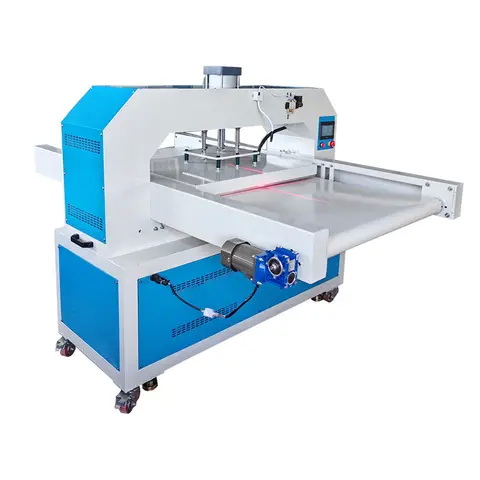
High-volume production shops running long shifts require heavy-duty equipment, often with hybrid or air-assisted mechanisms and industrial-grade components. Larger 16"×20" presses in this category usually feature robust frames, advanced controls, and ergonomics tailored to continuous use.[4][2]
Characteristics of a high-volume production press:
- Hybrid or automatic opening modes that keep cycle times predictable and reduce operator effort.[4]
- Drawer or pull-out lower platen to streamline loading and unloading during extended production.[1]
- Durable construction designed to withstand frequent use, minimizing downtime and replacement costs.[2]
For busy contract printers and established brands, the higher initial cost often pays off through increased throughput and improved reliability.[2]
White toner laser transfers are more sensitive to heat stability and platen pressure than basic HTV or simple sublimation jobs. Premium flat presses designed with very even heat distribution and accurate controls are typically recommended.[6][1]
Key requirements for this application:
- High-quality heating element that maintains uniform temperature across the entire platen.[3]
- Precise time and temperature controls to match specific white toner transfer media.[6]
- Consistent, adjustable pressure to ensure full transfer without over-crushing the design.[3]
Higher-end swing-away or advanced flat presses that support detailed presets and stable heat are widely used by white toner studios and specialty print shops.[6]
Decorating caps and hats requires a curved platen that matches the crown shape and holds fabric firmly during pressing. Dedicated cap heat presses with interchangeable lower platens can handle different hat profiles such as dad hats, snapbacks, and foam trucker caps.[7][1]
Important features for cap presses:
- Curved lower platen sized for common cap styles, with options for alternate shapes when needed.[7]
- Secure hold-down mechanism so designs remain precisely positioned during pressing.[1]
- Durable frame and heating element to withstand repeated pressing of thicker cap materials.[7]
These machines are widely used by sports merchandise printers, promotional product decorators, and apparel shops that add hats to their product mix.[7]
Mugs and sublimation drinkware remain top sellers in personalization and gift markets, so a reliable mug press is essential for many shops. There are both dedicated 11 oz mug presses and more flexible models that accept multiple heating elements for different shapes and sizes.[3][1]
Key considerations for mug presses:
- Compatibility with standard sizes, such as 11 oz and 15 oz mugs, plus optional elements for latte mugs or tumblers.[3]
- Even pressure around the circumference of the mug so designs sublimate without fading or banding.[4]
- Upgrade path via additional heating elements to support more drinkware styles as the business grows.[1]
Entry-level users often start with a single-size press, while more advanced shops adopt modular presses that handle a wider product range.[3]
Users who want to produce garments, caps, mugs, plates, and other items without buying separate presses often choose multi-function heat press systems. These typically combine a swing-away base press with multiple interchangeable attachments for different substrates.[4][1]
Advantages of multi-function systems:
- One base unit with attachments for flat garments, caps, mugs, plates, and sometimes shoes or smaller items.[1]
- Cost savings compared with buying several separate specialty presses.[4]
- Versatility for new shops that are still testing which product lines will perform best.[2]
For long-term, high-volume production of a specific item type, dedicated presses may still be preferable, but multi-function systems are attractive for flexible, all-in-one setups.[4]
Use case / need | Typical machine type | Main advantages | Typical user |
Best budget heat press machine | Manual clamshell, around 15"×15" | Low cost, straightforward operation, suitable for most T-shirts | Beginners, side hustles, small craft sellers |
Best heat press for crafting at home | Compact press with slide-out or open working area | Safe loading, small footprint, simple controls | Home crafters, hobbyists |
Small business, low daily volume | Auto-open clamshell, 15"×15" or 16"×20" | Reduced fatigue, consistent timing, better for 20–50 shirts per run | Small online brands, local printers |
Small business, moderate daily volume | Auto-open with slide-out 16"×20" platen | Higher throughput, improved ergonomics, business-grade components | Growing apparel and DTF shops |
High-volume production | Heavy-duty hybrid or air-assisted 16"×20" | Continuous operation, robust frame, consistent cycles | Industrial and contract print shops |
White toner laser transfers | Premium flat press with very even heating | Stable temperature and pressure for demanding transfer media | White toner studios, premium decorators |
Cap decoration | Dedicated cap press with curved platens | Proper fit on caps, secure hold-down during pressing | Sports merch and promo product printers |
Mug and drinkware decoration | Dedicated or modular mug press | Reliable drinkware sublimation, optional extra elements | Gift shops, personalization businesses |
Multi-product “do it all” setups | Multi-function swing-away with attachments | Wide product range from one base unit | New shops testing multiple product lines |
Practical selection and operation tips help improve results and support long-term equipment performance. The following points are based on common practices in T-shirt, sublimation, and transfer printing.[3]
Selection tips:
- Focus on the primary product first and then choose platen size and press type around that.[3]
- Match mechanism and build quality to daily workload: manual for very low volume, auto-open or better for regular runs, and heavy-duty units for long shifts.[2]
- Leave room for future growth, especially in platen size and available accessories.[4]
Usage and safety tips:
- Keep a simple settings log (time, temperature, pressure) for each material and transfer type.[8]
- Use test prints to confirm even heat and pressure across the platen before large production runs.[3]
- Maintain clean, non-stick surfaces and periodically inspect wiring, handles, and pressure mechanisms.[4]
If you are planning to invest in a new heat press, the most effective next step is to match your specific products, order volume, and workspace to a clearly defined press category. Use the selection factors in this 2026 guide to decide whether a compact craft press, a business-grade auto-open machine, or a heavy-duty production press fits your plan, then contact a professional equipment supplier to review sizing, power requirements, and accessory options before you buy. By sharing details about the types of garments or substrates you will print, expected daily output, and budget range, you can receive a tailored recommendation that reduces risk and helps your business start with the best heat press setup from day one.[2][3][4]
For most T-shirt businesses, a 15"×15" or 16"×20" platen covers standard front and back graphics while remaining manageable in small workspaces. Shops that specialize in oversized prints or large hoodies may benefit from moving up to a 16"×24" press for extra room.[3][1]
For users pressing only a few items occasionally, a simple manual press may be sufficient, but once daily volume rises, auto-open presses help reduce fatigue and errors. The automatic opening at the end of each cycle also lowers the risk of scorching or over-pressing garments during long runs.[2][4]
Beginners typically do well with a budget-friendly clamshell that has simple digital controls and stable temperature and pressure. A mid-size platen such as 15"×15" provides enough flexibility for most starter projects without adding unnecessary complexity.[3][1]
If caps or mugs are only an occasional add-on, a multi-function press with cap and mug attachments can be adequate. When caps or drinkware become regular, revenue-generating products, dedicated cap and mug presses usually offer better fit, pressure control, and long-term durability.[7][1]
For white toner laser transfers, presses with very even heat distribution, accurate controls, and stable pressure are strongly preferred. Higher-end flat or swing-away presses designed for professional shops help reduce the risk of under- or over-curing white toner transfer sheets.[6][1]
[1](https://www.heatpressnation.com/blogs/blog/best-heat-press-machines)
[2](https://thestainlessdepotcompany.com/blogs/news/what-is-the-best-heat-press-machine-for-small-business-owners-in-2025)
[3](https://www.heatpressnation.com/blogs/blog/heat-press)
[4](https://limitlesstransfers.com/blog/best-heat-press-machine-4/)
[5](https://www.gathered.how/arts-crafts/best-heat-press-machine)
[6](https://weprintupress.com/blogs/news/from-hobbyists-to-professionals-the-best-heat-presses-for-dtf-transfers)
[7](https://www.heatpressnation.com/blogs/blog/the-top-selling-brands-in-heat-press-machines)
[8](https://girlboss.com/a/blog/best-heat-press-machine)


