If you have any questions, please feel free to contact us.| Email Us: info@dcheatpress.com


Views: 222 Author: Amanda Publish Time: 2025-12-28 Origin: Site


Content Menu
● What Is a Heat Press Machine and Why It Matters in 2025
● Start Your Own Clothing Brand with Confidence
● Strengthen Brand Awareness with Customized Packaging
● Reduce Inventory Pressure with On-Demand Production
● Drive Profitable Collaborations and Limited Collections
● Leverage Seasonal and Holiday Demand
● Expand Product Lines Beyond Apparel
● Stay Ahead with DTF and Sublimation Technology
● Maximize Creative Freedom with Multiple Transfer Methods
● Improve Cost Efficiency and Long-Term Profitability
● Achieve Lightning-Fast Turnaround
● Choose the Right Heat Press Machine
● Streamline Workflow Integration
● Take the Next Step Toward Apparel Innovation
● FAQs About Heat Press Machines
>> 1. Is a heat press better than screen printing for a small clothing brand?
>> 2. What printing methods work with a heat press?
>> 3. How long do heat-pressed prints last?
>> 4. Can heat pressing help reduce inventory waste?
>> 5. What press size suits fashion production?
The apparel industry is evolving toward on-demand customization, where creativity and speed define success. A professional heat press machine allows entrepreneurs and fashion brands to produce personalized designs rapidly, achieve premium finishes, and operate with maximum cost efficiency. Whether you are starting a new brand or scaling an existing one, a heat press brings flexibility, profit potential, and control back into your production line.
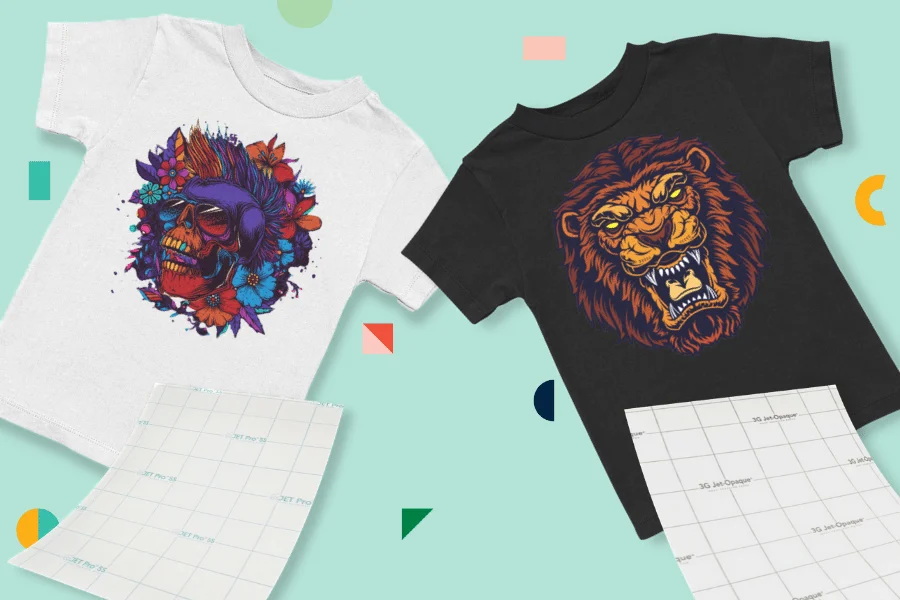
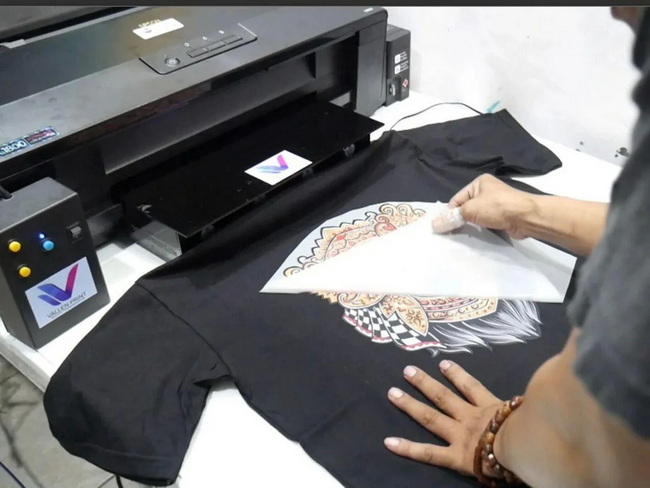
A heat press machine uses controlled heat, time, and pressure to transfer printed images or vinyl designs onto garments and various substrates. It enables custom apparel production without requiring bulk volume or expensive setup.
Its relevance today is driven by:
- The growing market for personalized fashion and promotional items.
- The rise of DTF and sublimation printing, both relying heavily on high-quality heat pressing for durability and color precision.
- The shift from large inventory models to agile on-demand production, reducing waste and risk.
Launching a clothing brand no longer requires major capital. A heat press enables newcomers to test ideas quickly and grow sustainably.
Benefits include:
- Low investment: Avoid costly screen setup and high minimum orders.
- Design freedom: Experiment with trends and seasonal graphics anytime.
- Direct control: Manage printing quality and turnaround in-house.
Steps to begin:
1. Identify a niche such as streetwear, sportswear, or corporate apparel.
2. Produce small runs to evaluate customer feedback.
3. Scale best-selling designs into your main collection.
Brand storytelling does not end with apparel. Using a heat press, you can imprint your logos or artwork on bags, labels, ribbons, and even boxes to create unique packaging.
Why it matters:
- Builds a consistent brand identity during unboxing.
- Bypasses large minimum order packaging requirements.
- Creates additional income through custom packaging services for other brands.
Traditional apparel production often leads to excess stock. Heat press technology allows brands to print designs only when orders are received.
Advantages:
- Keep only blank jerseys or T-shirts in stock.
- Respond immediately to new trends or customer requests.
- Lower warehouse and transportation costs.
This agile model keeps your business responsive, profitable, and environmentally friendly.
A heat press makes it simple to produce limited runs for collaborations with artists, influencers, or businesses.
Key gains:
- Engage new audiences through partnered collections.
- Offer unique, time-limited pieces that boost exclusivity.
- Eliminate high production risk because of low setup costs.
Collaborations not only spark brand excitement but also build long-term creative relationships within your market.
The heat press thrives in fast-changing retail seasons. You can produce custom apparel within minutes for holidays, events, or campaigns.
Strategies to apply:
- Prepare themed designs for major holidays like Christmas or Valentine's Day.
- Launch limited seasonal bundles combining matching items.
- Offer last-minute promotions capitalizing on fast fulfillment.
This approach enables you to capture seasonal demand while minimizing leftover inventory.
Alongside garments, heat press machines support the decoration of many other materials.
Popular options include:
- Tote bags, backpacks, pillow covers, and aprons.
- Caps and shoes with specialized attachments.
- Fabric accessories for gifting or promotional campaigns.
With this versatility, you diversify income sources, attract new clients, and increase order value without purchasing new machinery.
The combination of a heat press with DTF (Direct-to-Film) or sublimation printing represents the future of garment decoration.
Why it works:
- DTF delivers detail and bold colors on cotton or blends.
- Sublimation offers vibrant, fade-resistant results on polyester fabrics.
By adopting compatible equipment, your business remains adaptable to fast technological advances and new fashion materials.
Different printing methods expand creative possibilities. A modern heat press can handle DTF films, sublimation prints, and vinyl transfers seamlessly.
| Method | Best For | Key Benefit |
|---|---|---|
| DTF Transfers | Full‑color apparel designs | Works on most fabrics with excellent detail |
| Sublimation | Sportswear and polyester items | High durability and vivid color |
| Heat Transfer Vinyl | Simple logos or numbers | Perfect for personalization |
| Printable HTV | Multi‑color small runs | Great for corporate branding |
Utilizing diverse transfer types helps deliver a range of textures, effects, and finishes—keeping your collections fresh and innovative.
Over time, a heat press pays for itself by lowering dependency on costly outsourcing.
Financial benefits:
- Minimal setup costs per design change.
- High markup potential for custom orders.
- In-house control reducing rework, shipping, and external fees.
This translates directly to better profit margins and stronger brand consistency for each product release.
Speed and agility give small clothing brands an edge. A heat press can complete a custom shirt in a few minutes.
Operational results:
- Offer same-day or next-day delivery.
- Quickly correct design or name errors.
- Keep momentum during trend peaks or urgent campaigns.
Fast delivery elevates customer satisfaction and builds a reputation for reliability and flexibility.
Not every heat press is built equally. Selecting a durable, precision-engineered model is crucial for professional results.
Checklist for selection:
- Even temperature and pressure distribution.
- Digital control for varied materials.
- Large platen (at least 40×50 cm) for fashionable apparel.
- Compatibility with multiple print methods including DTF and sublimation.
A reliable manufacturer ensures consistent output, better equipment lifespan, and technical support that keeps your production uninterrupted.
To ensure efficiency, embed your heat press into a systematic process.
Suggested workflow:
1. Design and approval.
2. Transfer printing or sourcing.
3. Sample test pressing.
4. Batch production.
5. Quality control.
6. Branding and packaging.
Organizing production in this order reduces downtime, minimizes waste, and guarantees consistent quality.
With on-demand speed, minimal risk, and limitless creativity, a professional heat press machine empowers your clothing brand to thrive in today's customized fashion industry. For high-quality equipment, advanced heat transfer solutions, and dependable global service, explore COLORFUL's professional series of heat press, welding, and embossing machines.
Turn your creative ideas into profitable reality—contact COLORFUL today to build a smarter, faster, and more flexible clothing business.
For short runs or personalized pieces, a heat press is more cost-effective and faster. Screen printing suits high-volume production but demands higher setup costs.
Compatible options include DTF transfers, sublimation prints, heat transfer vinyl, and printable HTV, allowing customization across different fabric types.
With correct pressure, temperature, and quality materials, designs can endure dozens of washes without fading or peeling.
Yes. By producing garments only after receiving orders, you eliminate excess stock and lower storage costs.
Medium-to-large platens (around 38×38 cm or 40×50 cm) handle most clothing items effectively. You can add specialty presses later for hats or labels.


