If you have any questions, please feel free to contact us.| Email Us: info@dcheatpress.com


Views: 222 Author: Amanda Publish Time: 2025-12-28 Origin: Site


Content Menu
● Why Your T-Shirt Press Machine Features Matter Most
● 1. Precise Pressure Readout for Consistent Transfers
● 2. Slide-Out Drawer Design for Safety and Speed
● 3. Threadable Lower Platen for Multi-Side Printing
● 4. Automatic Floatation System for Uneven Garments
● 5. Auto-Open Mechanism for Productivity and Safety
● 6. Digital Time and Temperature Control with Stability
● 7. Multiple Preset Programs for Different Materials
● 8. Robust Safety and Ergonomic Features
● 9. Even Pressure Distribution Across the Platen
● 10. Build Quality, Warranty, and Brand Support
● How to Choose the Right T-Shirt Press Machine for Different Users
>> Match Features to Your Business Model
● Maximizing Your Workflow with Advanced Press Features
● Emerging Trends in 2025 Heat Press Technology
● Upgrade to a Professional T-Shirt Press Today
● Frequently Asked Questions (FAQ)
>> 1. What size T-shirt press machine is best for most users?
>> 2. Should I choose a clamshell or swing-away heat press?
>> 3. Is an auto-open feature necessary for a home user?
>> 4. How important is uniform pressure across the platen?
>> 5. Can a single press handle DTF, vinyl, and sublimation transfers?
A high-quality T-shirt press machine is the heartbeat of every successful custom apparel business. Whether working with DTF, sublimation, or vinyl, the right features ensure consistent quality, higher productivity, and long-term reliability for your entire printing workflow.
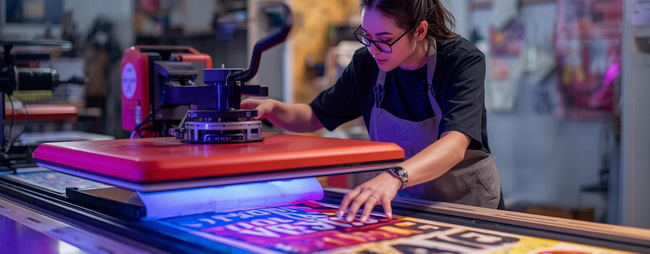
Many users focus on price and size, but these are not the factors that define professional output. The engineering and usability features built into your T-shirt press machine are what truly determine print precision, operational safety, and profit margins.
When essential features like temperature stability or pressure accuracy are missing, even skilled operators face cracked designs, uneven colors, and unnecessary rework. Investing in high-performance features is not only about convenience—it is a safeguard for long-term business success.
Pressure, along with time and temperature, defines the core of every perfect heat transfer. A clear, numeric pressure readout allows operators to record, repeat, and maintain accuracy across different fabrics and transfer types. Without it, you risk guesswork, wasted materials, and inconsistent results. For businesses managing T-shirts, hoodies, and tote bags, this single feature can drastically reduce misprints and labor inefficiency.
A slide-out drawer design enhances both speed and operator safety by allowing garments to be positioned away from the hot upper platen. This makes the pre-press and layout process safer and faster, especially when working on large production runs. It increases comfort, minimizes the chance of burns, and streamlines repetitive tasks—perfect for growing print studios.
Suggested visual: Diagram comparing a traditional fixed clamshell press and a slide-out drawer model, highlighting safer hand positioning.
A threadable or dressable lower platen allows you to “dress” garments over the platen, isolating layers so only the print area receives pressure. It simplifies front-and-back printing, reduces alignment errors, and prevents marks from seams or pockets. For print shops offering multi-location designs, this functionality increases both productivity and precision.
Garments come with zippers, buttons, and seams that make surfaces irregular. A floating upper platen automatically adjusts to these variations, keeping consistent pressure across the print area. This prevents partial adhesion or crushed seams when pressing outerwear, polos, or complex fabrics, protecting both quality and garment integrity.
The auto-open function is one of the most valuable upgrades in modern T-shirt press machines. After a timed cycle, the press releases automatically—preventing over-pressing, scorching, and operator fatigue. This feature allows staff to multitask efficiently, improving workflow and production capacity without risking quality.
Accurate digital controls are a must-have for every modern heat press. Look for models that offer precise temperature regulation, quick heat-up times, and minimal fluctuation across all corners of the platen. Consistent heat distribution is essential for DTF and sublimation transfers, where even minor temperature variance can ruin a print.
Suggested visual: Heat map showing even temperature distribution across a professional-grade platen compared to a budget model.
Digital presets help streamline production by allowing users to store and retrieve ready-made settings for various fabrics. Whether you are printing on cotton, polyester, or heavy hoodies, presets eliminate the need for manual recalibration. In busy shops with multiple operators, this feature ensures every print meets the same consistent standard.
A professional-grade press must balance performance and safety. Prioritize models with heat-resistant handles, protective guards, and automatic shut-off timers that improve both energy efficiency and operator security. Ergonomic support like soft-close lids or gas springs reduces the strain of repeated cycles, keeping your staff productive and safe during long working hours.
Uneven pressure is a silent killer of print quality. Choose presses built with over-the-center pressure systems or reinforced platen designs that maintain uniform force across the surface. This ensures edge-to-edge consistency, even with large or complex designs. Consistent pressure distribution directly impacts the durability and presentation of finished garments.
Long-term reliability depends heavily on structural quality and dependable after-sales service. Professional presses from established brands offer solid frames, high-grade components, and comprehensive warranties. This not only minimizes downtime during peak seasons but also assures consistent quality across thousands of press cycles.
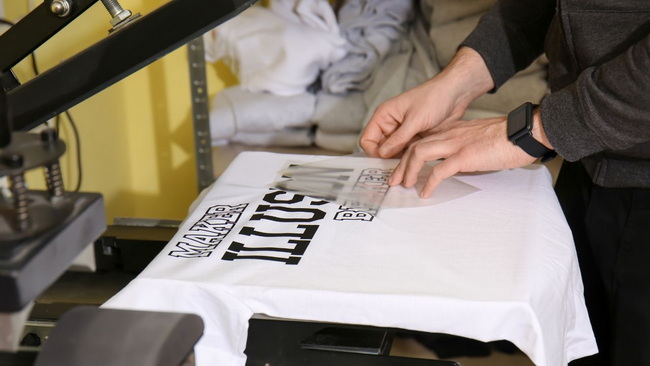
Home crafters and beginners should prioritize compact designs, user-friendly controls, and built-in safety modes.
Small custom apparel brands need auto-open systems, reliable presets, and threadable platens to balance speed with flexibility.
Established production shops benefit from advanced heat uniformity, floating platens, and industrial-grade structures to manage continuous workloads.
User Type | Key Features Required | Recommended Enhancements |
Home Crafter | Digital controls, slide-out drawer, auto-off safety | Presets, compact platens |
Small Business | Auto-open, threadable platen, stable heat and pressure | Floatation system, strong frame durability |
Industrial Workshop | Heavy-duty structure, advanced pressure regulation | Multi-platen systems, integrated diagnostics |
Once you have the right press, structured workflows ensure consistently professional results. Follow these steps for optimal efficiency:
1. Check presets and configuration before each run for fabric type, time, and temperature accuracy.
2. Pre-press garments briefly to remove wrinkles and moisture.
3. Align apparel on threadable platens to prevent seams from disrupting pressure.
4. Monitor your first press cycle carefully, adjusting if needed.
5. Log successful settings to create a library of repeatable workflows.
Regular maintenance and data tracking allow teams to replicate optimal results across different materials and production shifts.
The heat press industry is evolving fast, driven by global demand for personalized products. Leading trends include:
- Smart control systems with multiple programmable presets.
- Enhanced platen structures for faster, more even heating.
- Ergonomic, space-saving designs such as drawer-based and auto-open clamshells.
- Modular platen options allowing quick switching between garments, bags, and specialty substrates.
These advancements improve both safety and flexibility, giving small businesses industrial-grade performance without increasing operational complexity.
The difference between an average and an exceptional printing business often lies in equipment quality. A modern T-shirt press machine featuring precise controls, auto-open timing, and balanced pressure enables you to achieve professional, repeatable results that customers notice and trust.
If you are ready to upgrade your printing setup or scale your production capabilities, reach out to a professional team specializing in advanced heat transfer technology. Equip your business with a press built for performance, not replacement—because every print deserves perfection.
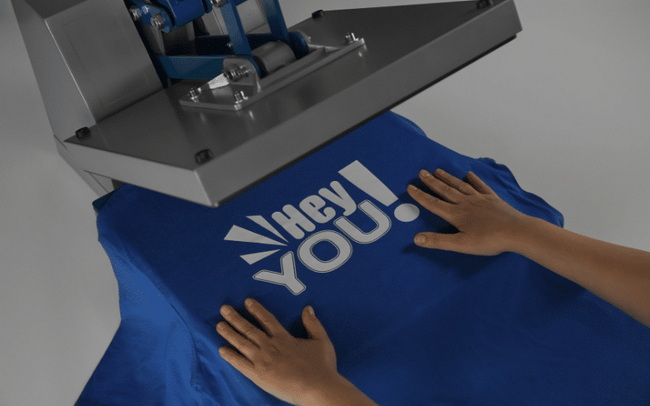
A 15"×15" or 16"×20" press offers the best balance between workspace efficiency and versatility, fitting standard T-shirts and hoodies comfortably.
Clamshell models are space-efficient and ideal for general production, while swing-away presses give more clearance for thicker garments or intricate designs.
While not strictly required, the auto-open system prevents over-pressing and simplifies multitasking, making it a highly recommended feature even for small operations.
Extremely important. Uneven pressure leads to partial transfers and reduces print lifespan. Uniform distribution ensures sharp, durable, and professional-quality results.
Yes, as long as the machine offers stable temperature and pressure control with adjustable settings or presets for each transfer type.


